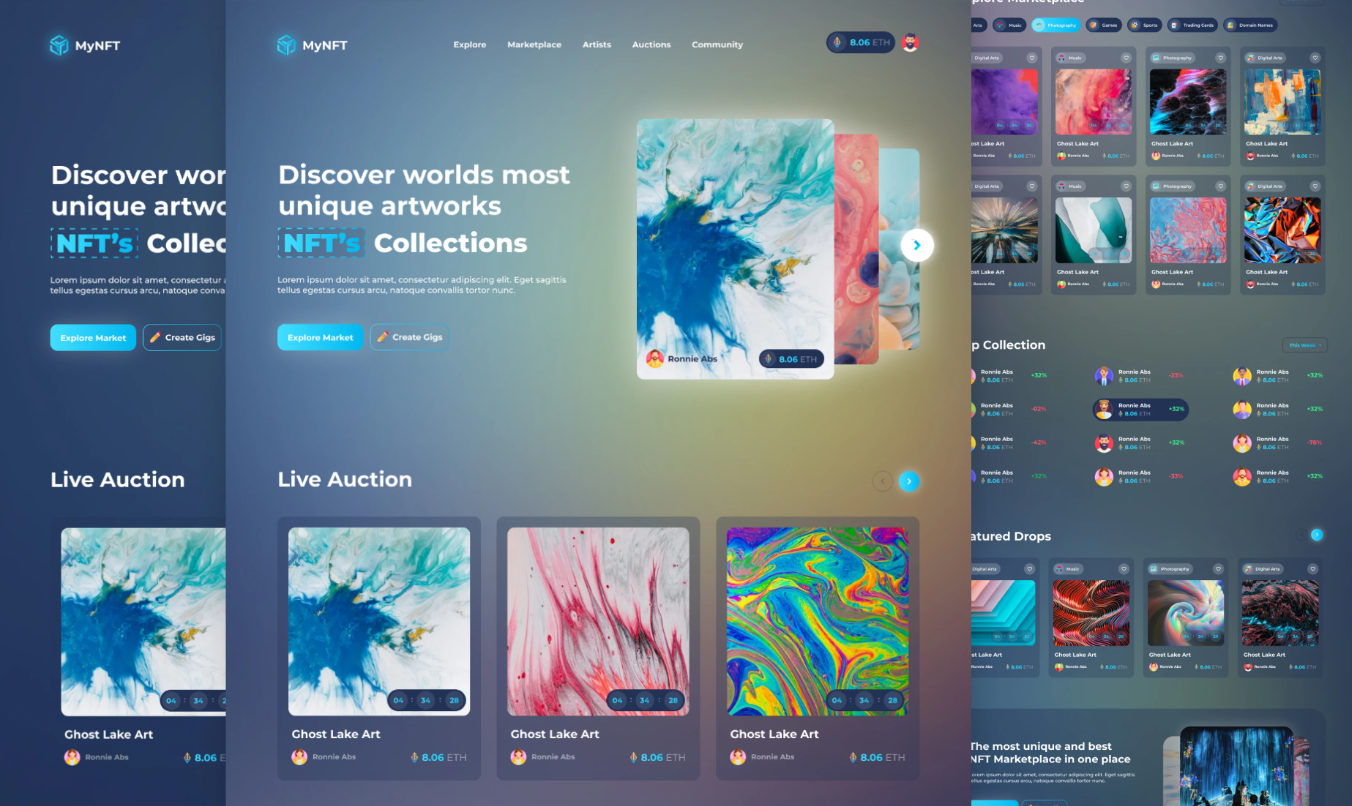


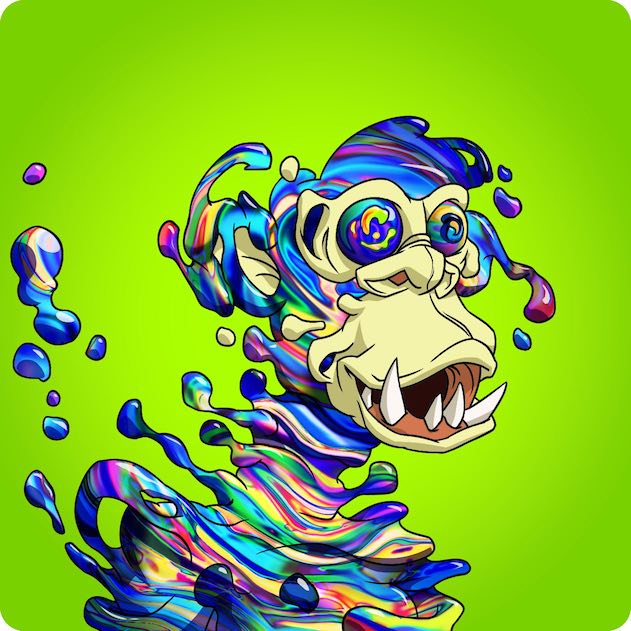
In the digital age, NFTs have taken the world by storm. But what exactly is an NFT? Non-Fungible Tokens, or NFTs, represent a revolutionary concept that has reshaped the way we perceive and trade digital assets. This comprehensive guide dives into the heart of NFTs, shedding light on what they are, how they work, and their potential impact on the world of art, collectibles, and more.
Understanding NFTs:
- Digital Ownership: NFTs use blockchain technology to prove ownership of unique digital items, from digital art and music to virtual real estate and in-game assets.
- Indivisibility: Unlike cryptocurrencies like Bitcoin or Ethereum, NFTs are indivisible and cannot be exchanged on a one-to-one basis due to their uniqueness.
- Provenance and Authenticity: NFTs establish the provenance and authenticity of digital assets, addressing issues like copyright and fraud in the digital space.
- Creator Royalties: NFTs often come with smart contracts that ensure creators receive royalties when their assets are resold, offering new revenue streams for artists.
NFT Use Cases:
- Digital Art: Artists can tokenize their work, turning it into collectible digital assets that can be bought, sold, and owned by collectors.
- Gaming: NFTs are revolutionizing the gaming industry by allowing players to own in-game items and characters, creating a real-world value for virtual assets.
- Virtual Real Estate: In virtual worlds, NFTs are used to buy and sell virtual real estate, making them the hottest commodity in the metaverse.