

Buying virtual land in the Metaverse space is very similar to purchasing land in the real world


Metaverse Assets
«We offer comprehensive management of your investments in digital assets, Metaverses, marketplaces, trading, and much more.»
Owning Virtual Real Estate / Virtual Land
In the real world, when you purchase a property, you receive a title deed, and information about the change of ownership is recorded in the relevant land records. In Metaverse, it works very similarly. Digital real estate in the Metaverse is secured in the form of unique NFTs, and every purchase/sale is recorded on the blockchain. The user receives a confirmation of ownership over the digital land and the NFT, representing the acquired land, goes into their crypto wallet.
Why invest in real estate in the Metaverse?
Investing in real estate in the metaverse is a concept that has gained attention with the rise of virtual worlds and blockchain technology. The metaverse is a virtual, interconnected space where people can interact, work, play, and even own and trade digital assets. Here are some reasons why one might consider investing in real estate in the metaverse:
- Growth Potential: Just as with physical real estate, metaverse real estate has the potential for value appreciation over time. As the metaverse continues to grow and gain popularity, virtual land and property could become more valuable, especially in desirable locations.
- Digital Ownership: In the metaverse, ownership of digital assets is secured through blockchain technology, providing a high level of transparency and security. This means that you have verifiable ownership of your virtual real estate, and it cannot be easily taken away or manipulated.
- Passive Income: You can generate passive income in the metaverse through various means, such as renting out your virtual property, hosting events, or participating in the metaverse economy. Some virtual worlds have their own in-game currencies, allowing you to earn income from various virtual activities.
- Diversification: Investing in the metaverse can be a way to diversify your investment portfolio. It is a relatively new and emerging asset class, and some investors may want to allocate a portion of their capital to metaverse real estate to balance their investments.
- Speculative Opportunities: There are speculative opportunities in the metaverse real estate market, with the potential for substantial returns on investment. Early adopters of virtual real estate have sometimes seen significant gains as demand for virtual properties increases.
- Emerging Ecosystems: The metaverse is still in its infancy, and new ecosystems, platforms, and virtual worlds are constantly emerging. This can provide early investors with opportunities to buy virtual real estate in promising projects and communities.
- NFTs (Non-Fungible Tokens): Virtual real estate in the metaverse is often represented as NFTs, which are unique, indivisible tokens that prove ownership. NFTs can be traded and sold in online marketplaces, creating a liquid market for virtual property
Assets Management
Gamming P2E
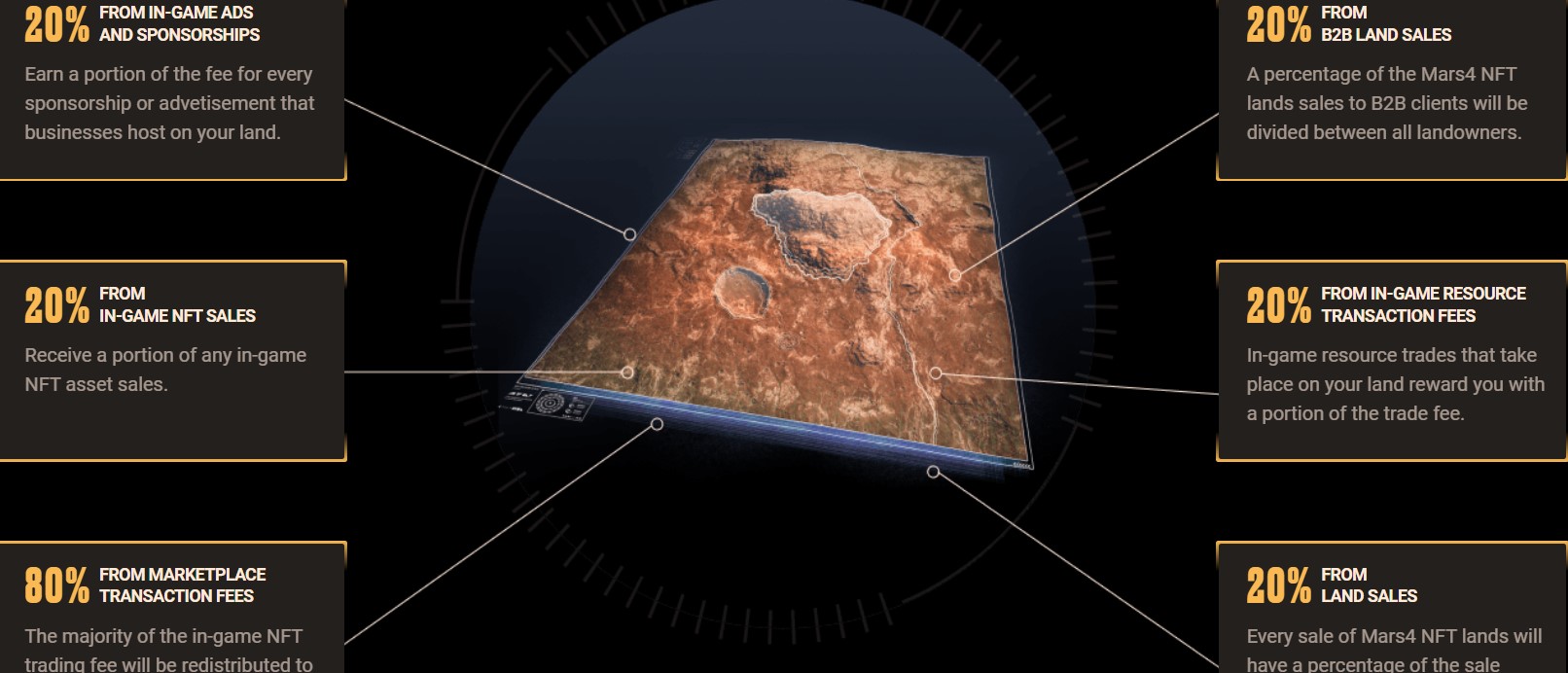
Play-to-Earn (P2E) games in the metaverse represent a transformative shift in the gaming industry. These games leverage blockchain technology and the concept of digital ownership to allow players to earn real-world value through their in-game activities.
«Play-to-Earn (P2E) games in the metaverse are a revolutionary development in the world of online gaming. They harness the power of blockchain technology and the principle of digital ownership to empower players with the opportunity to earn real-world value as they engage in virtual gameplay.
In P2E games, players take on various roles within a virtual universe, similar to traditional video games. However, the key distinction lies in the ownership of in-game assets. These assets are represented as non-fungible tokens (NFTs) on a blockchain, which means they are unique and verifiable digital items. Players have true ownership of these assets, be it virtual land, characters, weapons, or any other in-game items.
The exciting part of P2E games is that players can buy, sell, trade, or use these assets both within and outside the game’s ecosystem. As they progress in the game, complete quests, or achieve milestones, players can earn rewards in the form of NFTs, cryptocurrencies, or other digital assets. These rewards have real-world value and can be converted into traditional currency or used in other blockchain-based applications.
P2E games have introduced a novel concept of play as a form of work, where players can potentially earn a living by dedicating their time and skills to these virtual worlds. Gamers can become entrepreneurs, investors, or skilled traders within the metaverse, with the potential for significant financial gain.
Moreover, the transparency and security provided by blockchain technology ensure the authenticity of digital assets and protect players’ ownership rights. This eliminates the risk of in-game assets being devalued or taken away, as sometimes happens in traditional video games.
The P2E movement has sparked a wave of innovation and investment in the gaming industry, with numerous new projects and platforms emerging. Players, developers, and investors are increasingly drawn to the possibilities of the metaverse and the potential for financial empowerment through play.
In summary, Play-to-Earn metaverse games offer a groundbreaking fusion of gaming and blockchain technology, enabling players to earn tangible rewards while enjoying immersive virtual experiences. This emerging trend is reshaping the gaming landscape and blurring the lines between work and play, opening up exciting opportunities for those who participate in these virtual worlds.»